1 min read
White Paper: Rack Integration and Quality Assurance in Modern Data Centers
The evolution of modern data centers demands a shift from isolated hardware delivery to seamless infrastructure integration. This whitepaper...

1 min read
Press
Updated on April 27, 2026
The rapid expansion of artificial intelligence, high-performance computing, and cloud services is driving unprecedented levels of heat generation in modern data centers. Traditional air cooling and single-phase liquid cooling are increasingly unable to meet the demands of high-density server racks and powerful processors. Two-phase liquid cooling, which transfers heat through the phase change of the coolant, offers significantly greater thermal efficiency and the potential for substantial energy savings.
This paper reviews the key differences between single-phase and two-phase cooling, highlights the advantages of two-phase systems, and discusses critical technical challenges such as working fluid selection, boiling behavior, pressure drop management, flow configuration, and the design of quick disconnects. Practical guidance is provided for transitioning to two-phase cooling, emphasizing the importance of system integration, component compatibility, and environmental considerations. With careful planning, two-phase cooling can deliver substantial improvements in heat dissipation for demanding data center applications.
Learn how to successfully transition from single-phase to two-phase liquid cooling to meet rising thermal demands. Download the full white paper to explore design insights and implementation strategies for next-generation data centers.
1 min read
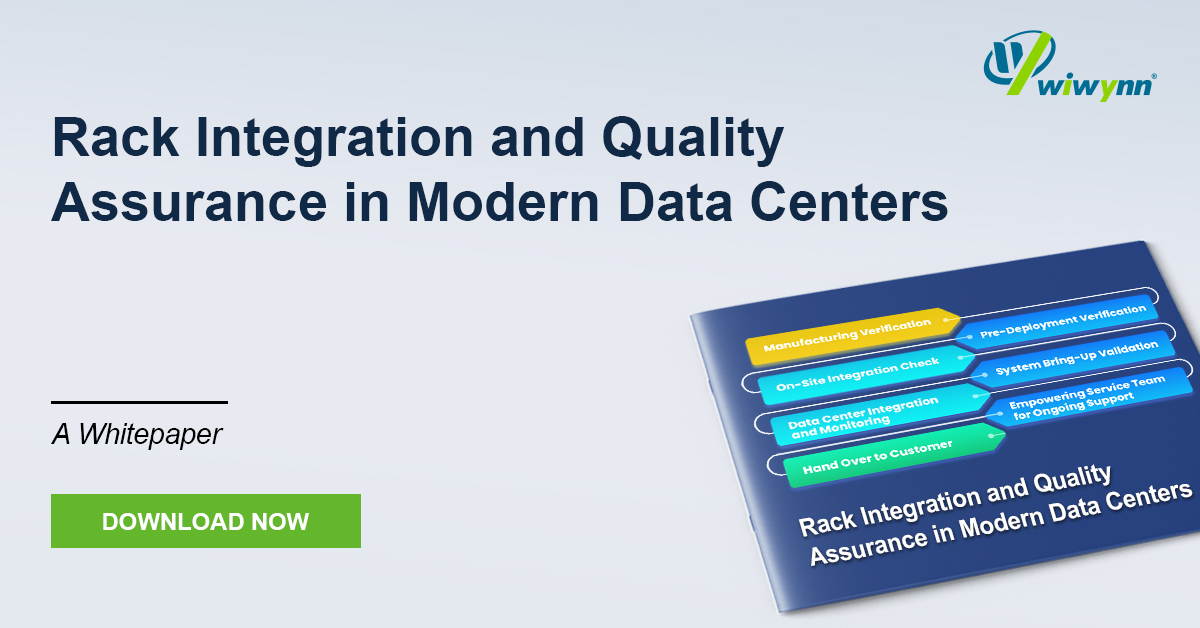
The evolution of modern data centers demands a shift from isolated hardware delivery to seamless infrastructure integration. This whitepaper...
1 min read
As AI and High-Performance Computing (HPC) push rack power densities beyond 250 kW and localized heat fluxes past the 500 W/cm² threshold,...
1 min read
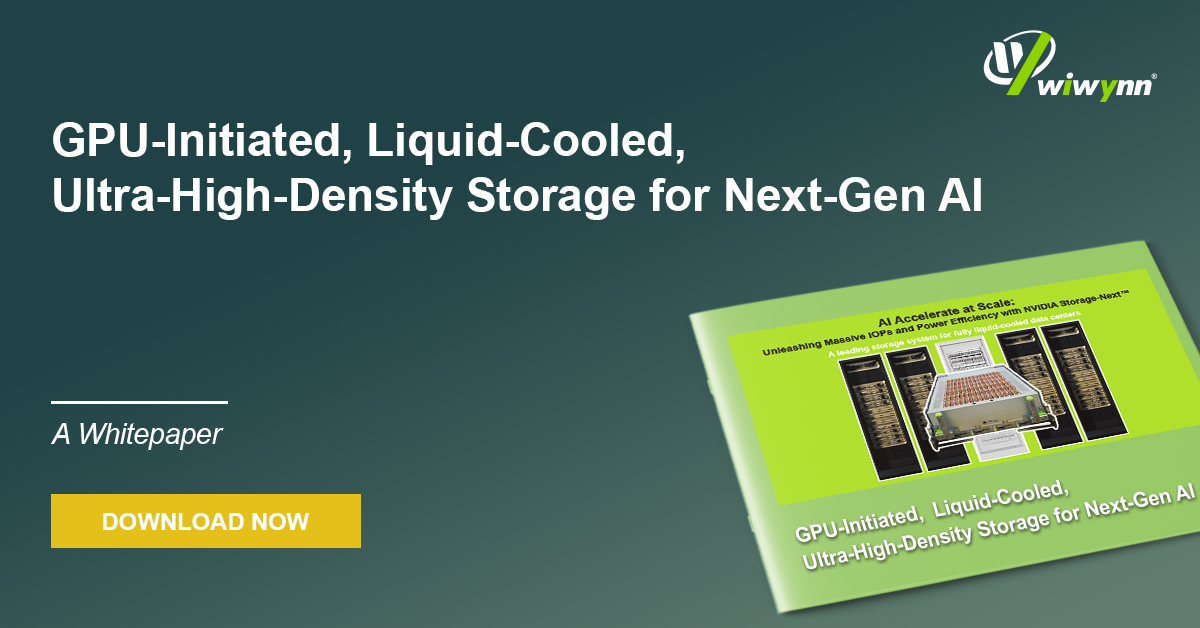
This paper introduces a paradigm shift in storage architecture designed to overcome the CPU-centric data path bottlenecks in modern AI workloads. By...