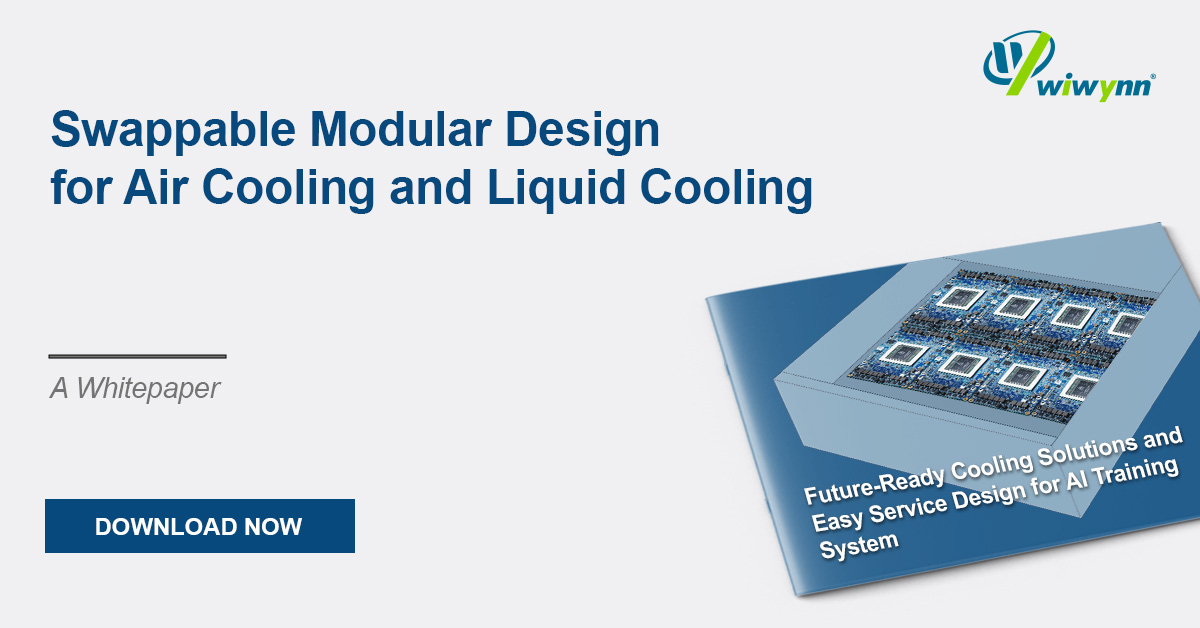
White Paper: Future-Ready Cooling Solutions and Easy Service Design for AI Training Systems

White Paper: Future-Ready Cooling Solutions and Easy Service Design for AI Training Systems
0:51

Air cooling is the traditional way to remove heat generated from processing units by directing cool air through hot surfaces to dissipate heat.

In recent years, the rapid expansion of AI and HPC is in demand of higher performance in both the processing units and in heat dissipation. Aimed to address the heat dissipation limit of air cooling, liquid cooling is introduced as an advanced cooling method to have coldplate array dissipate heat directly from the processing units.

With significant research into AI training system and other data center applications, we came up with multiple swappable cooling solutions for cooling hot processing units (OCP accelerator module) within the same AI training system. This swappable cooling solution design can provide quick and easy upgrade of cooling in most scenarios.

Register to Download the whitepaper!


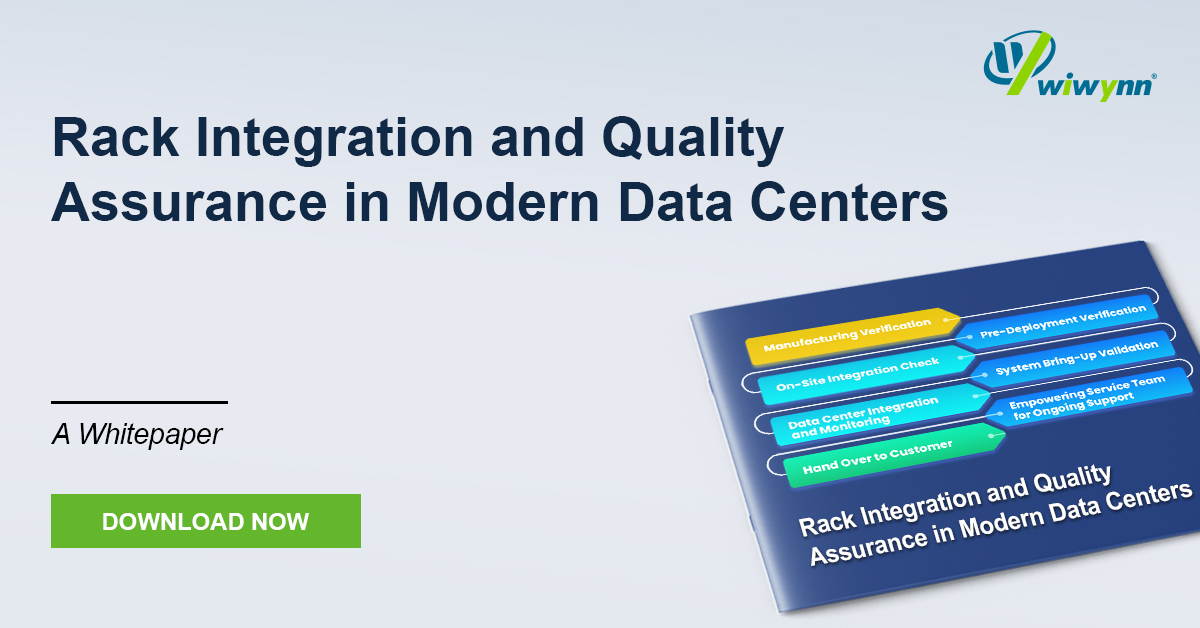
White Paper: Rack Integration and Quality Assurance in Modern Data Centers

1 min read

White Paper: Rack Integration and Quality Assurance in Modern Data Centers

The evolution of modern data centers demands a shift from isolated hardware delivery to seamless infrastructure integration. This whitepaper...
Read More
White Paper: Advanced Microchannel Material - Diamond Composite Thermal Solutions

1 min read

White Paper: Advanced Microchannel Material - Diamond Composite Thermal Solutions

As AI and High-Performance Computing (HPC) push rack power densities beyond 250 kW and localized heat fluxes past the 500 W/cm² threshold,...
Read More
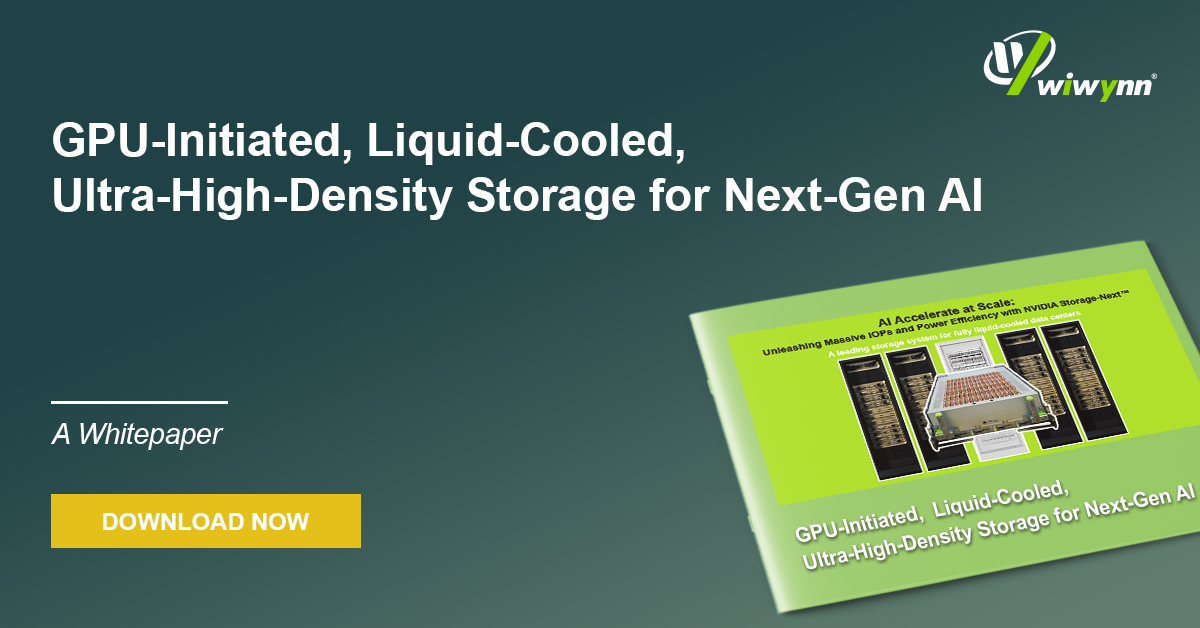
White Paper: GPU-Initiated, Liquid-Cooled, Ultra-High-Density Storage for Next-Gen AI

1 min read

White Paper: GPU-Initiated, Liquid-Cooled, Ultra-High-Density Storage for Next-Gen AI

This paper introduces a paradigm shift in storage architecture designed to overcome the CPU-centric data path bottlenecks in modern AI workloads. By...

Read More