1 min read
White Paper: Rack Integration and Quality Assurance in Modern Data Centers
The evolution of modern data centers demands a shift from isolated hardware delivery to seamless infrastructure...

Scalable Integrated Architecture:
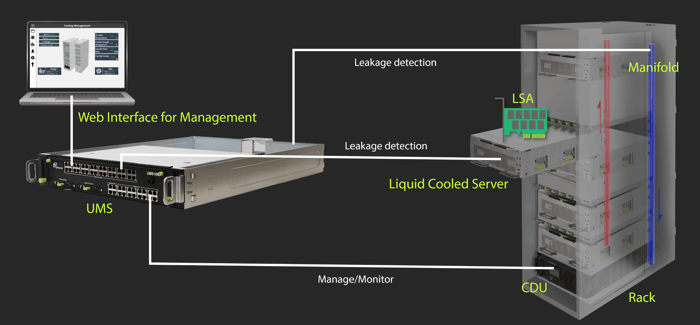
Precision-engineered cold-plate cooling optimized for ultra-high TDP AI accelerators. Designed for maximum compute density while ensuring seamless field-serviceability and modular scalability.
Mission-Critical Proactive Safety:
Multi-layer leak detection with millisecond-latency telemetry. Real-time rack-level alerting mitigates operational risk, ensuring continuous uptime and SLA-grade reliability.
UMS:
Intelligent Infrastructure Orchestration
Centralized monitoring of flow, thermal gradients, and pressure dynamics via standardized, DCIM-ready interfaces for peak operational transparency and efficiency.
Wiwynn’s Double-Sided Cold Plate technology redefines thermal management for high-power-density silicon. By simultaneously cooling high-power AI chips on the top side and vertical power delivery components on the bottom side, it supports total thermal loads exceeding 4 kW within a compact form factor.
We continue to adopt advanced manufacturing approaches to enable the design and fabrication of high-precision microchannel structures tailored to actual chip heat distribution. Compared to conventional architectures, this approach significantly enhances thermal performance, supports heat fluxes beyond 350 W/cm², and delivers an optimal balance between silicon performance and long-term system reliability.
Ruggedized Hyperscale Foundation:
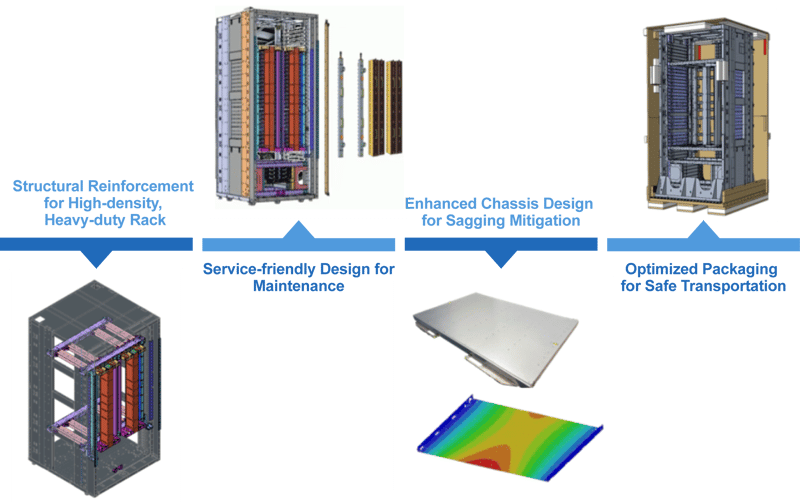
A reinforced, anti-sagging chassis engineered for the mechanical stresses of mass global deployment. This architecture supports high-TDP AI clusters while integrating HVDC power paths and advanced signal integrity to eliminate bottlenecks.
Tailored for the AI Ecosystem: Fully aligned with OCP (Open Compute Project) ORW and Double-Wide standards to streamline brownfield and greenfield integration. Purpose-built for high-intensity AI training and inference at scale.
Deployment-Ready Flexibility: From factory-to-datacenter, our co-design and specialized packaging ensure system integrity during transit. Scalable by design, this platform evolves alongside your evolving workload demands.
.png?width=700&height=389&name=2026-Wiwynn-%E7%B6%B2%E9%A0%81_pic_W_EN%20(1).png)
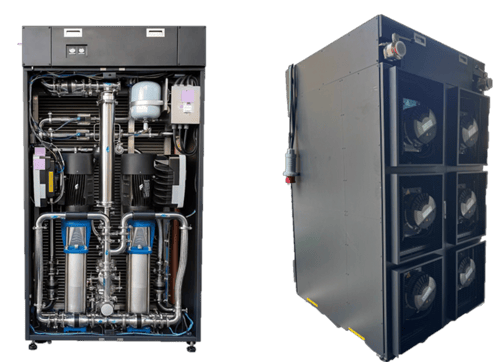
Wiwynn’s AALC solutions provide a bridge to liquid cooling without requiring immediate facility-level infrastructure overhauls. We enable rapid, rack-level AI deployment into existing air-cooled environments, maintaining peak compute performance while balancing TCO and performance-per-watt.
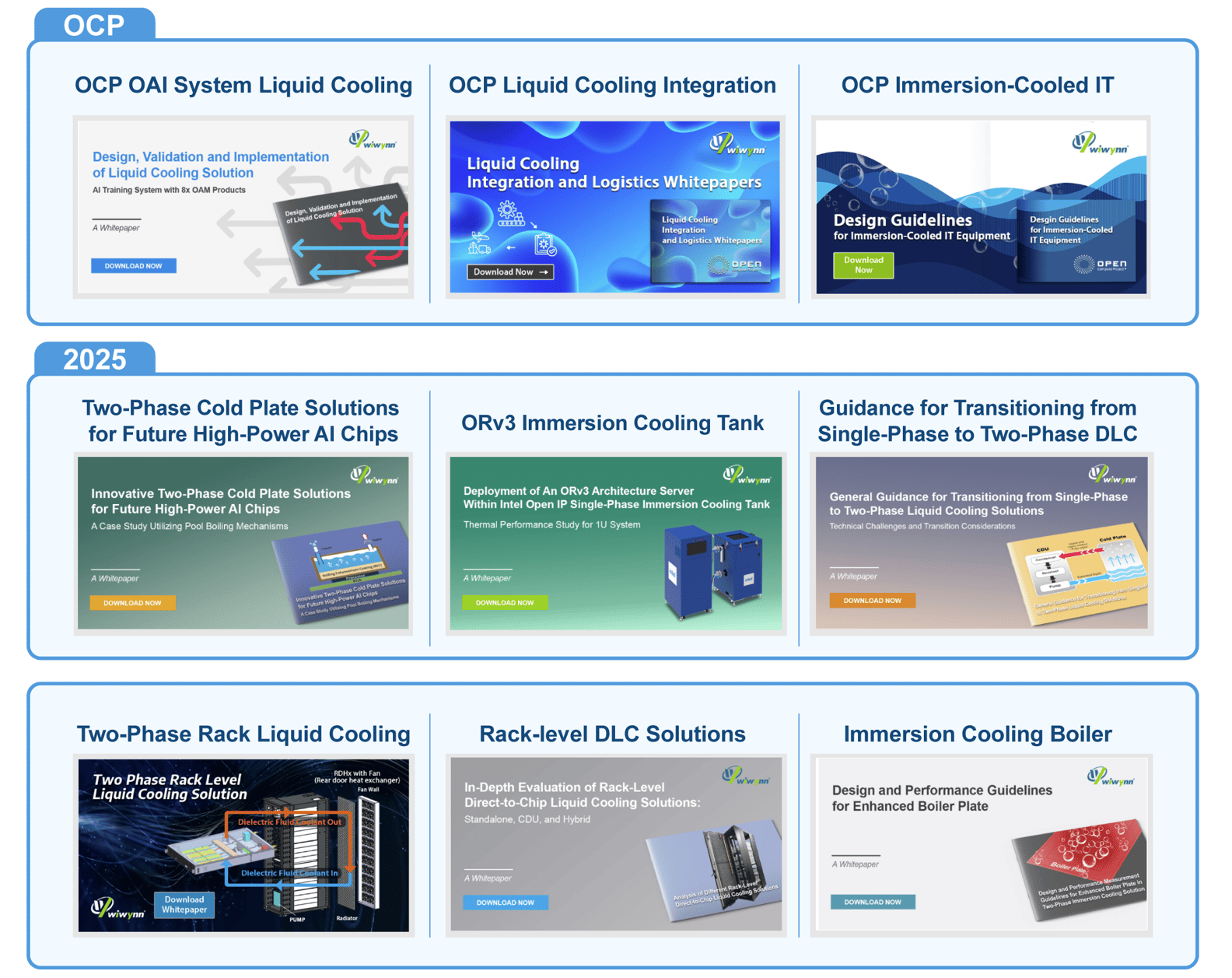
As a key OCP player, we’ve published white papers on cooling and management at OCP and our global site. Download the technical details here: